 TheBodyBlueprint
Hormonal Influences on Body Composition
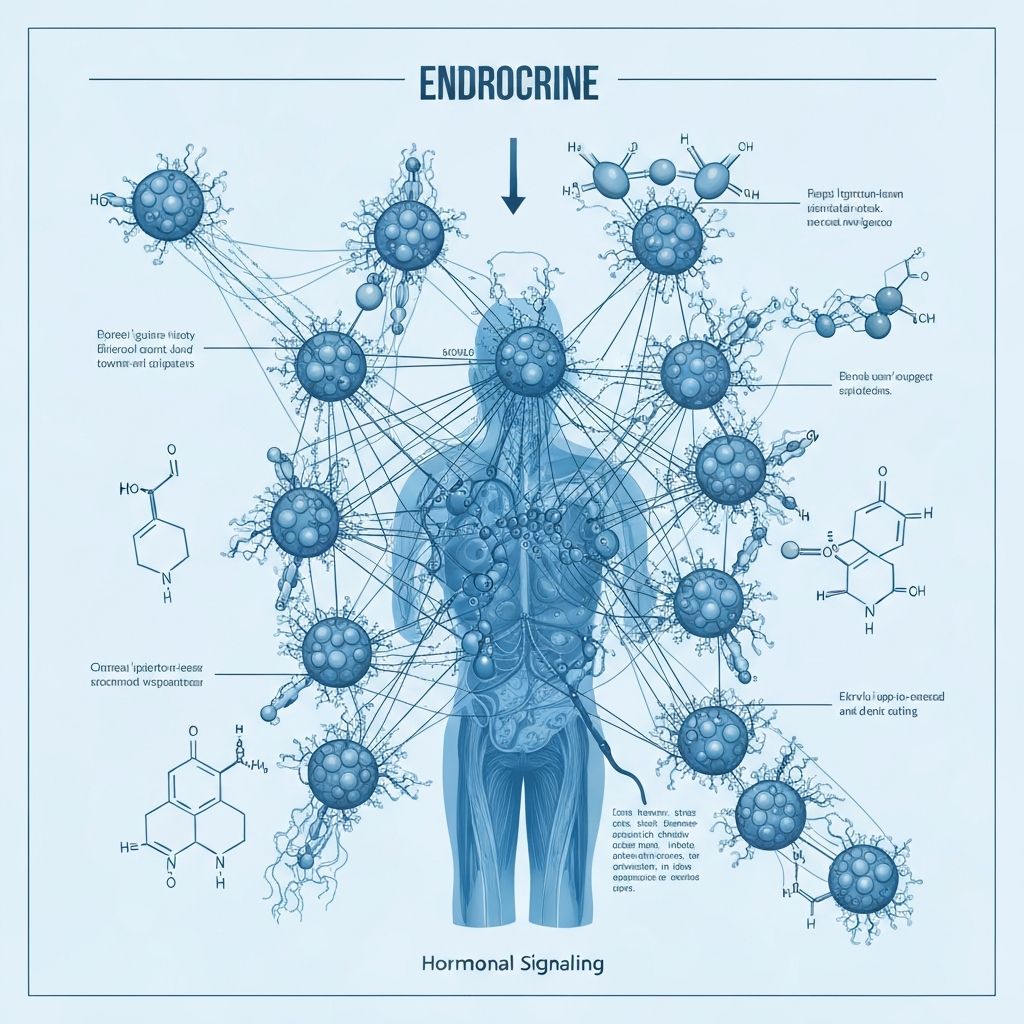
Overview of regulatory hormones and their effects on tissue composition from physiological research.
Multiple hormonal systems regulate body composition through effects on nutrient storage, tissue synthesis, and energy metabolism. Understanding these hormonal signals provides context for how the body maintains and adjusts tissue composition.
Insulin Signaling
Insulin is the primary hormone signaling nutrient abundance. Elevated insulin promotes glucose uptake by muscle and adipose tissue, increases fat synthesis, and suppresses fat oxidation. Insulin also stimulates amino acid uptake and protein synthesis. Insulin sensitivity (tissue responsiveness to insulin signaling) influences how effectively nutrients are stored after feeding.
Glucagon and Catabolic Hormones
Glucagon and other catabolic hormones (cortisol, epinephrine) are released during fasting or energy deficit states. These hormones promote mobilization of stored glucose and fat, suppress protein synthesis, and increase fat oxidation. Their actions oppose insulin, directing the body toward energy mobilization rather than storage.
Thyroid Hormones
Thyroid hormones regulate metabolic rate and energy expenditure. Elevated thyroid hormone increases the rate at which tissues use energy. Thyroid function influences how efficiently the body processes nutrients and utilizes stored energy. Metabolic rate varies with thyroid hormone levels.
Growth Hormone and IGF-1
Growth hormone and insulin-like growth factor-1 influence protein synthesis and tissue growth. These hormones promote muscle protein synthesis and fat mobilization during fasting states. Their actions support tissue remodeling and adaptation to changing conditions.
Sex Hormones
Testosterone and estrogen influence body composition through effects on protein synthesis, fat storage patterns, and bone density. Sex hormone levels vary across the lifespan and contribute to sex differences observed in body composition. Hormonal status influences tissue responsiveness to metabolic signals.
Leptin and Energy Signaling
Leptin is produced by adipose tissue and signals energy stores to the brain. Leptin influences feeding behavior, energy expenditure, and metabolic rate. The relationship between leptin signaling and tissue energy status represents a regulatory feedback system influencing whole-body composition.
Educational Context
This article explains hormonal regulation of body composition from research. It is educational and does not suggest that hormonal adjustment is a strategy for body composition changes. Hormonal systems are complex and tightly regulated. Consult healthcare professionals regarding hormonal health.